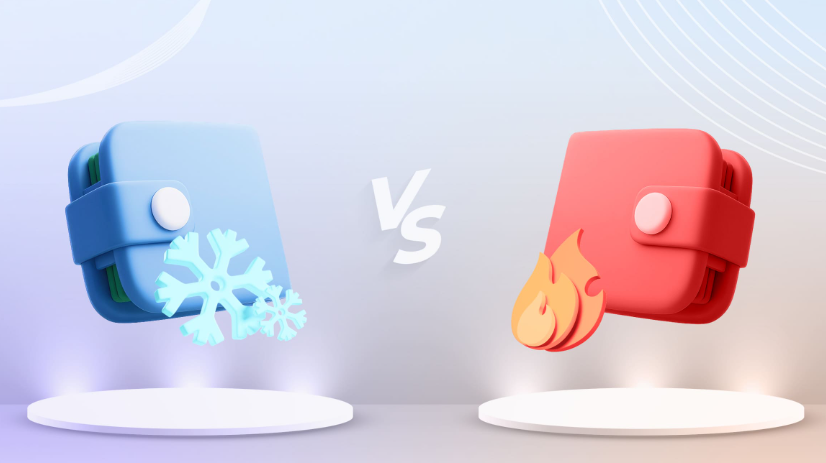
The distinction between hot wallets and cold wallets is crucial for anyone involved in cryptocurrency management. Hot wallets provide immediate access for frequent transactions, catering to users who prioritize convenience. In contrast, cold wallets emphasize security by keeping assets offline, safeguarding them from cyber threats. Understanding the advantages and limitations of each wallet type is essential for informed decision-making. The implications of these choices can significantly impact one’s investment strategy and overall asset protection.
Hot Wallets Vs. Cold Wallets: Key Differences Explained
The distinction between hot wallets and cold wallets serves as a fundamental aspect of cryptocurrency management, influencing security and accessibility.
Hot wallets prioritize transaction speed, enabling rapid exchanges but often compromise on security measures, making them vulnerable to cyber threats.
Conversely, cold wallets enhance security by storing assets offline, thus reducing exposure to attacks, though they may hinder immediate access and transaction efficiency.
See also: modxnet
Why Hot Wallets Are Great for Everyday Use
Hot wallets present a compelling option for users who engage with cryptocurrencies on a regular basis.
Their convenient access allows for immediate transactions, enabling users to buy, sell, or trade effortlessly.
Additionally, hot wallets offer impressive transaction speed, making them ideal for those who prioritize quick interactions in the dynamic crypto market.
This combination of accessibility and efficiency enhances the overall user experience significantly.
What You Need to Know About Cold Wallets
How can users ensure the security of their cryptocurrency assets?
Employing cold wallets is essential for robust cold wallet security. These wallets, which include hardware and paper wallet types, store digital currencies offline, minimizing exposure to cyber threats.
Users must understand the importance of safeguarding their cold wallets, as the protection of private keys directly correlates with the safety of their crypto investments.
How to Choose Between Hot and Cold Wallets for Your Investment Strategy
Selecting the appropriate wallet type is a fundamental decision for cryptocurrency investors, as it impacts both accessibility and security.
Investors must evaluate their investment goals and security needs when choosing between hot and cold wallets. Hot wallets offer convenience for frequent transactions, while cold wallets provide enhanced protection for long-term holdings.
Ultimately, the choice should align with individual risk tolerance and usage patterns.
Conclusion
In the realm of cryptocurrency management, the choice between hot and cold wallets is akin to walking a tightrope between convenience and security. Hot wallets provide the agility needed for frequent transactions, while cold wallets offer a fortress for long-term asset protection. Ultimately, investors must assess their individual needs, weighing the benefits of immediate access against the risks of exposure. By understanding these distinctions, one can navigate the digital currency landscape with both confidence and prudence.