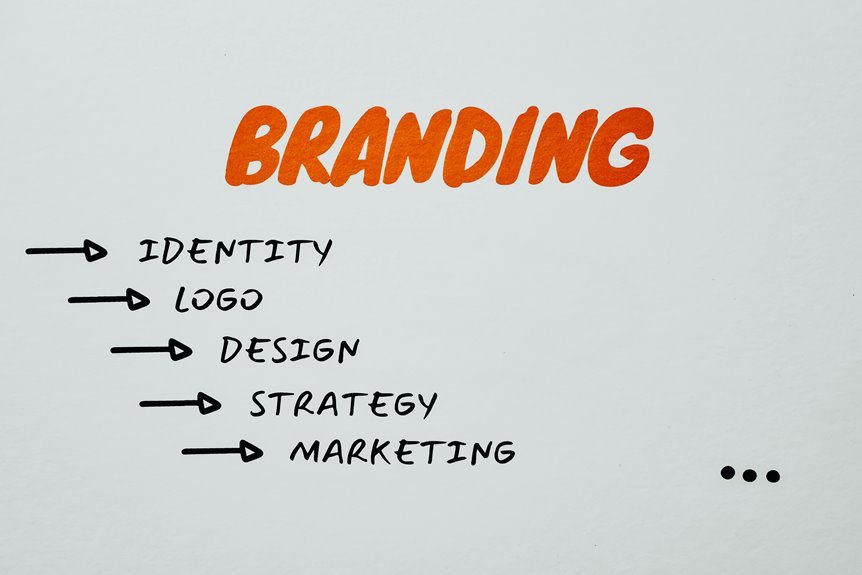
In the realm of business, professional marketing campaigns serve as a critical tool for achieving growth and engagement. These campaigns hinge on well-defined objectives and a profound understanding of the target audience. By integrating essential elements such as consistent branding and adaptable strategies, businesses can navigate the complexities of the market. However, the effectiveness of these campaigns often hinges on specific metrics. What are these metrics, and how do they shape the future of marketing strategies?
What You Need to Know About Professional Marketing Campaigns
In today’s competitive landscape, an effective marketing campaign can be the differentiating factor that propels a business to success.
Understanding campaign objectives is crucial, as they guide strategies toward impactful outcomes. Identifying the target audience ensures that messages resonate, fostering engagement and loyalty.
Together, these elements create a powerful synergy, empowering businesses to connect authentically and thrive in a world that craves freedom and innovation.
Essential Elements of Effective Marketing Strategies
While many factors contribute to the success of a marketing strategy, the essential elements form the foundation upon which effective campaigns are built.
Key components include precise brand positioning and a deep understanding of the target audience.
How to Tailor Marketing Campaigns for Different Business Types
Tailoring marketing campaigns for different business types requires a nuanced understanding of each sector’s unique characteristics and customer expectations.
By identifying the target audience and aligning campaigns with industry specifics, businesses can craft messages that resonate deeply.
This strategic approach not only enhances engagement but also fosters customer loyalty, ultimately empowering businesses to stand out in their respective markets and achieve greater success.
Top Metrics for Measuring Campaign Effectiveness
How can businesses truly gauge the success of their marketing campaigns?
By focusing on key metrics like ROI analysis and engagement rates, companies can assess performance effectively.
ROI analysis reveals financial returns, while engagement rates indicate audience interaction, reflecting campaign resonance.
Together, these metrics empower businesses to refine strategies, ensuring marketing efforts align with their vision of freedom and growth in a competitive landscape.
Conclusion
In the dynamic landscape of business, professional marketing campaigns serve as the guiding stars, illuminating paths to success. By weaving together a tapestry of clear objectives, audience insights, and adaptable strategies, businesses can craft narratives that resonate deeply. Like a skilled conductor harmonizing diverse instruments, these campaigns create a symphony of branding, engagement, and measurable impact. As companies embrace this artistry, they not only navigate the competitive terrain but also cultivate lasting connections with their audiences, ensuring a flourishing future.